Some cities preserve their history behind glass. In museums, in curated exhibitions, in carefully restored buildings meant to represent a finished version of the past. Tucson does something different.
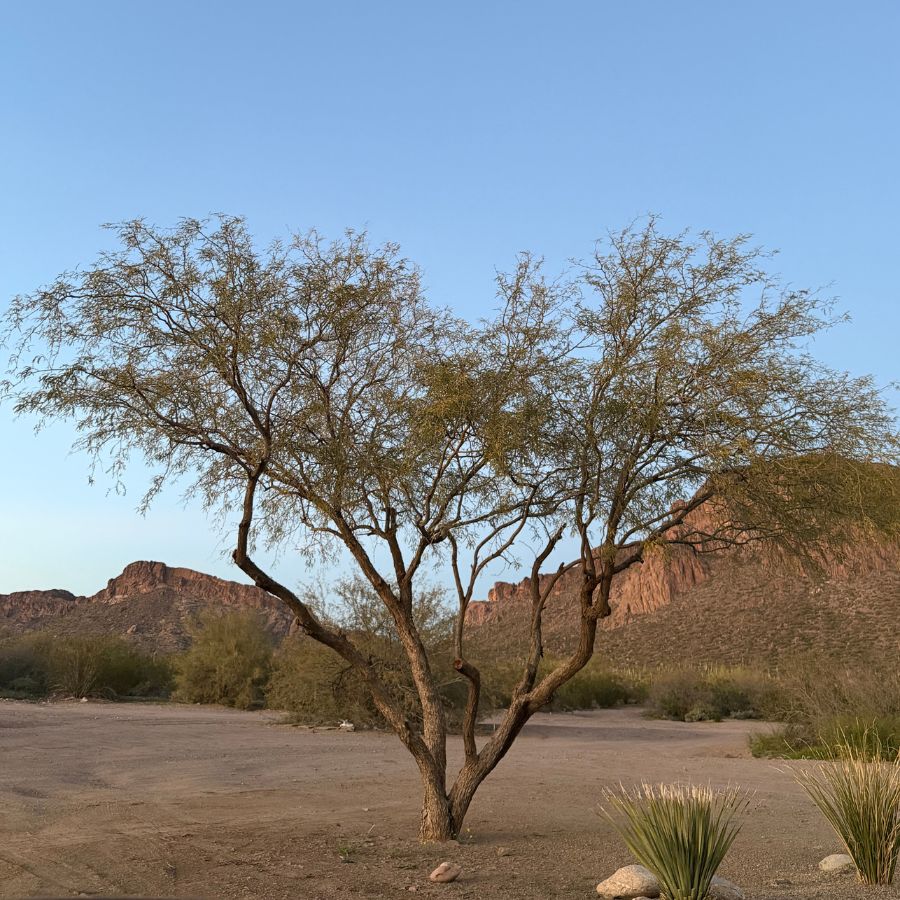
Here, history isn’t hidden. It’s layered into the streets, embedded in walls, carried by the desert itself. Tucson sits in the heart of the Sonoran Desert, and the desert shapes the city as much as its history does.
You don’t need a ticket to see it. You just have to look.
Before the Missions, Before the Barrio Doors
In the heart of the Sonoran Desert, Tucson has been continuously inhabited for more than 4,000 years.
Long before European arrival, Indigenous communities including the ancestral people of today’s Tohono O’odham and Pascua Yaqui lived, cultivated, and understood this land.
This wasn’t empty territory waiting to be claimed. It was already known.
In 1775, Spanish settlers established the Presidio San Agustín del Tucson, marking the beginning of European colonial presence in the region. Borders shifted. Governance changed. Flags changed.
But the desert remained. And so did the memory. The desert isn’t just scenery. It’s territory with layers.
The architecture carries Indigenous desert knowledge, later shaped by Spanish colonial influence and Mexican identity.
Barrio Viejo: Adobe as Desert Intelligence
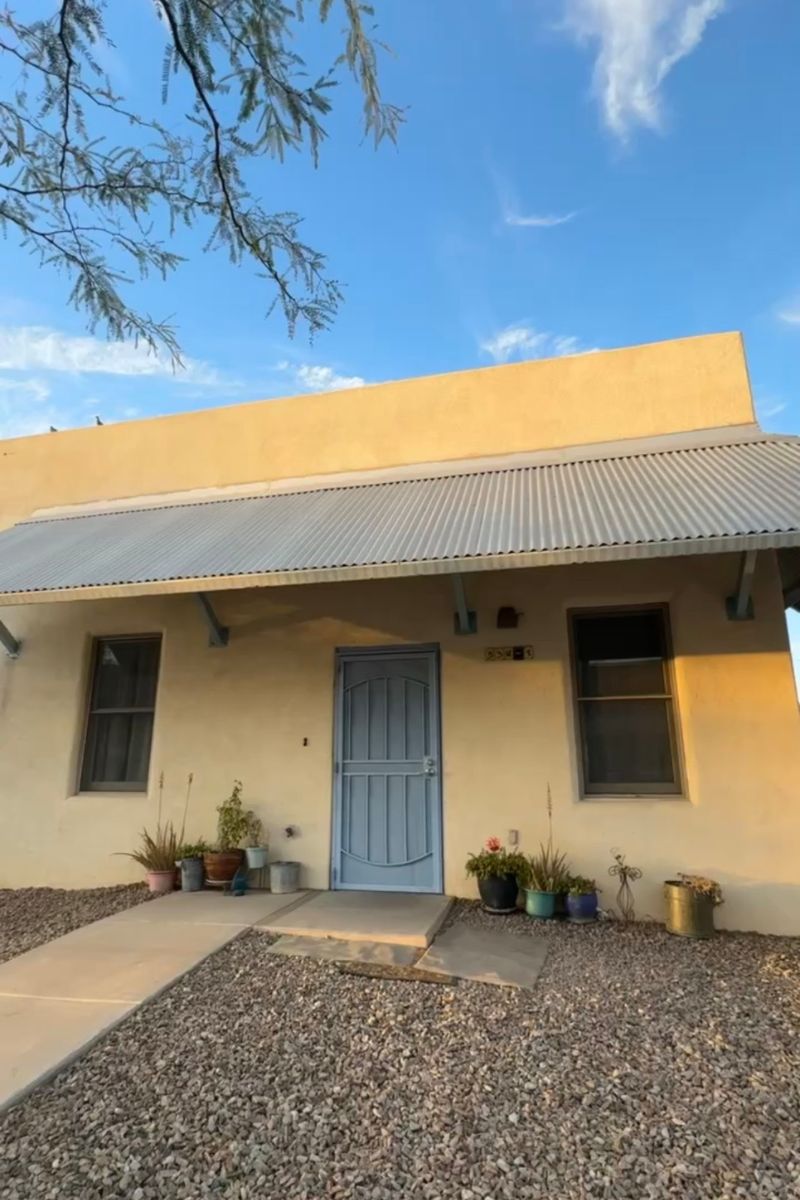
Walking through Barrio Viejo feels less like sightseeing and more like reading. Adobe walls. Faded blues. Dusty pinks. Thick wooden doors facing narrow streets. Adobe wasn’t aesthetic, it was technology.
Built from earth, straw, and sun-dried brick, these homes regulate temperature naturally. Cool in summer. Warm in winter. Sustainable long before sustainability became a concept.
The architecture carries Indigenous desert knowledge, later shaped by Spanish colonial influence and Mexican identity. Tucson was once part of Mexico before becoming part of the United States, and Barrio Viejo still reflects that layered inheritance.
Not all of it survived. Large portions of the original neighborhood were demolished during urban renewal projects in the 20th century.
What remains today isn’t a preserved museum district, it’s what endured.
A Sky That Feels Closer
At night, the city shifts.
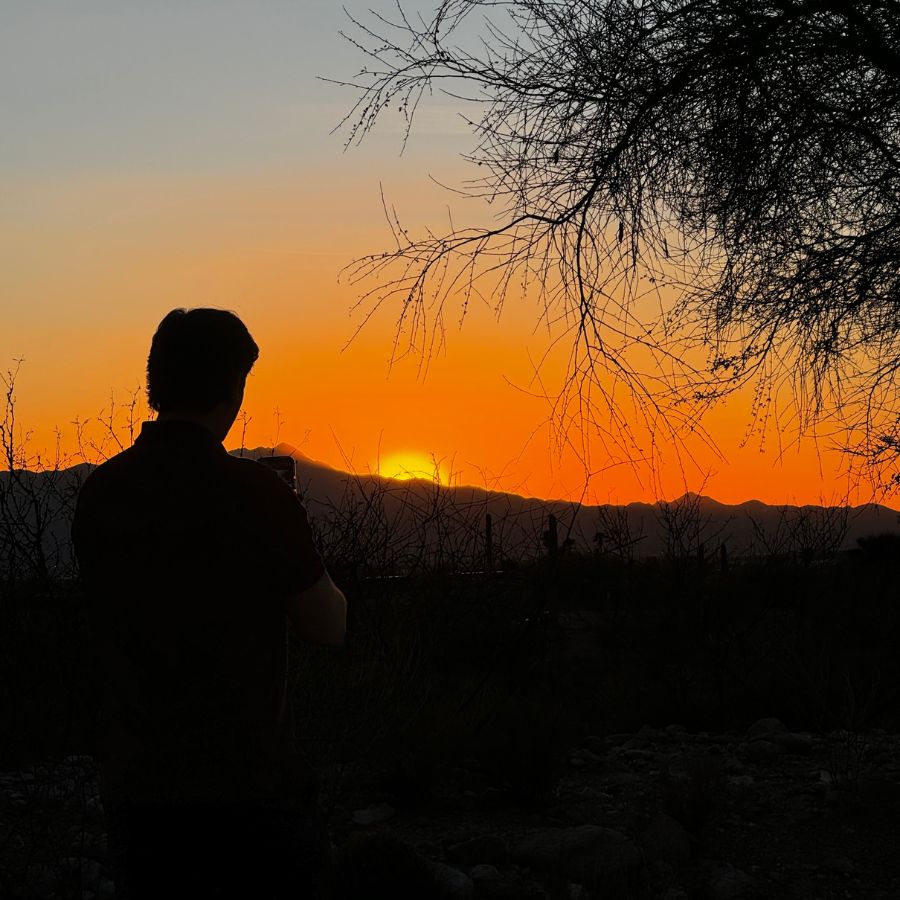
The desert sky opens in a way that feels almost physical. Arizona is known for its observatories and protected night skies, and once you move slightly away from the center, the stars don’t feel decorative, they feel near.
During the gem shows, you can even hold meteorites in your hands. Stones that didn’t form on Earth at all.
Just today, I saw an intense streak of light cross the sky moving fast, yet somehow slow enough to follow with my eyes before it disappeared. I still don’t know exactly what it was. But for a moment, it felt like a fragment of the universe had briefly entered this world.
Fragments of the planet. Fragments of the cosmos.
In one place, you’re reminded that history exists on multiple scale: human, geological, celestial.
And suddenly the desert feels older than architecture. Older than borders. Older than memory. There is always a special connection here.
If You Want to Look Closer
UA Laboratory of Tree-Ring Research A research center at the University of Arizona studying climate history through tree rings, a reminder that even time can be measured in layers.
Presidio San Agustín del Tucson Museum Built on the site of the original 1775 Spanish fort, this museum traces the city’s early foundations.
Saguaro National Park The landscape itself! Iconic cacti, open desert, and the scale that makes you understand why the sky feels closer here.
Discover Second Home London, a creative coworking space for founders, designers, and remote professionals, with locations in Bricklane and Holland Park.